
How to Prepare Your Car for Transport
Inspection photos, fuel and toll tags, personal items, alarms, keys, convertibles, and bill of lading tips for a smooth pickup and delivery.
Pickup day is easier when you treat it like a mini inspection appointment rather than a casual handoff. Carriers document condition because their insurance and yours rely on a clear before and after story. Your job is to make scratches, dents, and trim issues easy to see, remove anything that could bounce around the cabin, and hand over keys and access without drama.
Start with the exterior. Wash the vehicle if weather allows. Dirt hides panel gaps and fine scratches that you will want noted on the bill of lading. Walk a full slow circle with your phone camera and capture every panel, all four corners, the roof, glass, wheels, and undercarriage edges if you can kneel safely. Turn on timestamps or email the album to yourself so the files have a date. Photos are not a substitute for the official inspection, but they are excellent backup if a question ever arises later.
Fuel level is a recurring question for first time shippers. Most carriers want roughly one quarter tank. That is enough to load, unload, and reposition the car without adding unnecessary weight. A completely empty tank can create problems if the driver needs to move the vehicle under its own power at a staging yard. A completely full tank adds weight across every mile. If you drive a diesel truck or a hybrid with a small gas tank, ask your coordinator for the best target range for your specific booking.
Toll transponders, parking passes, and even some garage remotes should come out of the car or be fully deactivated. Trailers cross toll roads and bridges in states you never planned to visit. Active tags can rack up charges while you are not behind the wheel. FasTrak, E ZPass, SunPass, and similar devices are easy to remove from windshields or glove boxes. Store them at home, not in the trunk, so they do not rattle against paint.
Personal belongings are a separate topic from the car itself. Carrier cargo insurance is built around the vehicle, not your boxes, tools, or luggage. Loose items can shift and dent interior panels. Heavy items can overload suspension and create liability arguments. Some carriers allow a small amount of soft luggage in the trunk when it is approved in advance and stays under a strict weight limit. If you are unsure, assume nothing extra ships until you have written confirmation.
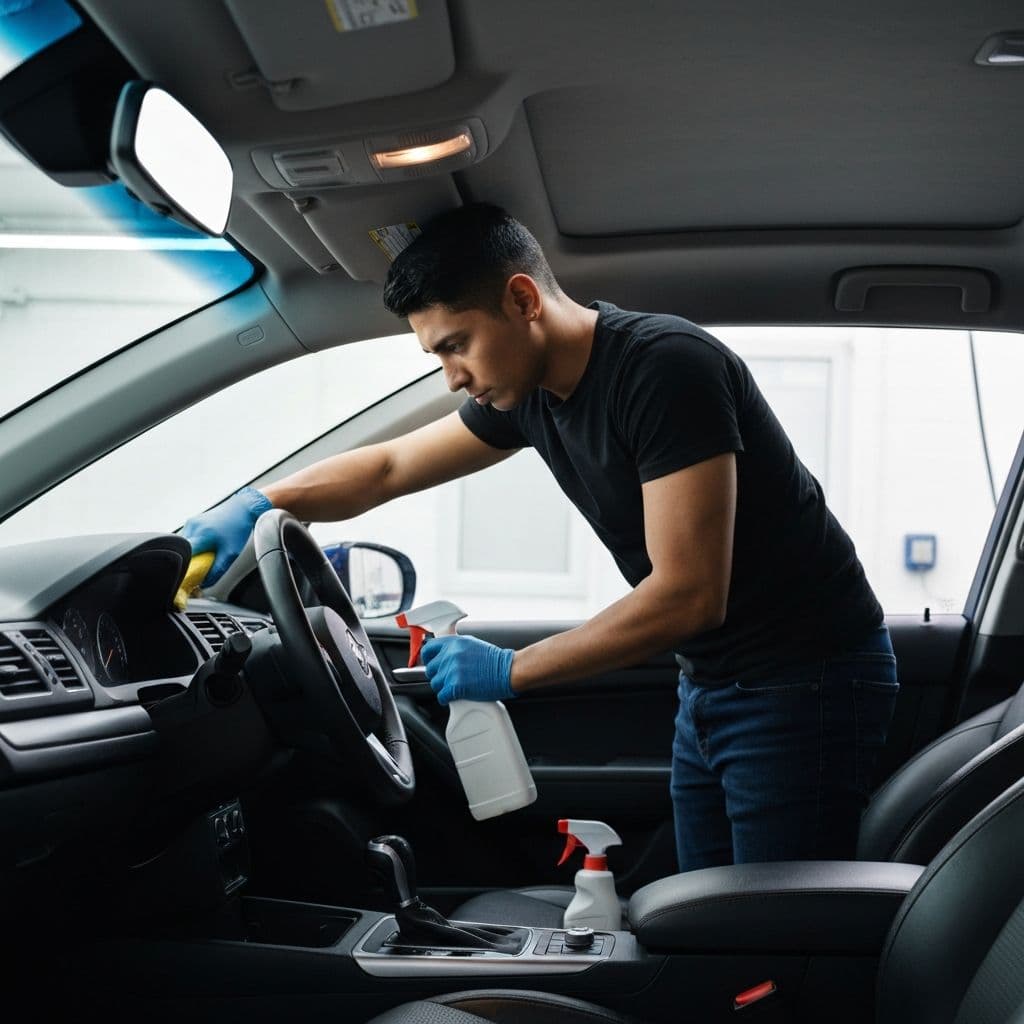
The interior should be tidy enough for a quick visual check. Remove phone mounts, loose change, sunglasses, and anything that could slide under pedals. Secure floor mats if they are prone to bunching. If you have seat covers that hide damage, consider removing them for inspection day so the driver records the true condition of the upholstery. If you cannot remove them, point that out before anyone signs paperwork.
Mechanical honesty saves everyone time. If the car starts but the check engine light is on, say so. If it needs a jump every morning, say so. If it does not run at all, book non running service from the beginning so the carrier dispatches a winch or rollback that can handle the weight. Showing up with a dead battery on a running car order can trigger rescheduling fees or a same day price change because the truck is not equipped for what it found on site.
Alarms and anti theft systems deserve a plan. If the horn will sound when the driver opens a door, show how to disarm it quickly. Aftermarket immobilizers and steering wheel clubs can confuse a driver who is trying to secure the vehicle in a hurry. If you use a hidden kill switch, tell the carrier how to use it or remove it temporarily. A car that cannot be moved safely onto the trailer becomes a scheduling problem for everyone on that load.
Convertibles and soft tops should be latched securely. If the top is damaged or taped, document that clearly in photos and on the bill of lading. Roof racks, bike trays, and aftermarket spoilers change height and width. Measure height from ground to the tallest point and share it with dispatch. Low cars may need longer ramps or careful loading angles. Tall vans may not fit every trailer configuration.
Keys matter more than people expect. You will need at least one full working key for the driver. If you keep a valet key, confirm it starts the car and unlocks doors. If you have push button start, explain any odd sequence (foot on brake, key in pocket, and so on). If the vehicle is leased, confirm your lease company allows transport and that you have any required authorization paperwork.
At pickup, you or a trusted adult should be present for the walk around with the driver. You will both sign the bill of lading after agreeing on the vehicle condition. Ask questions if a note is unclear. At delivery, repeat the same discipline before you sign off. If you see new damage, write it on the paperwork before you accept the car, take fresh photos, and notify your coordinator immediately. Clean documentation is the single strongest tool you have if a claim ever moves forward.